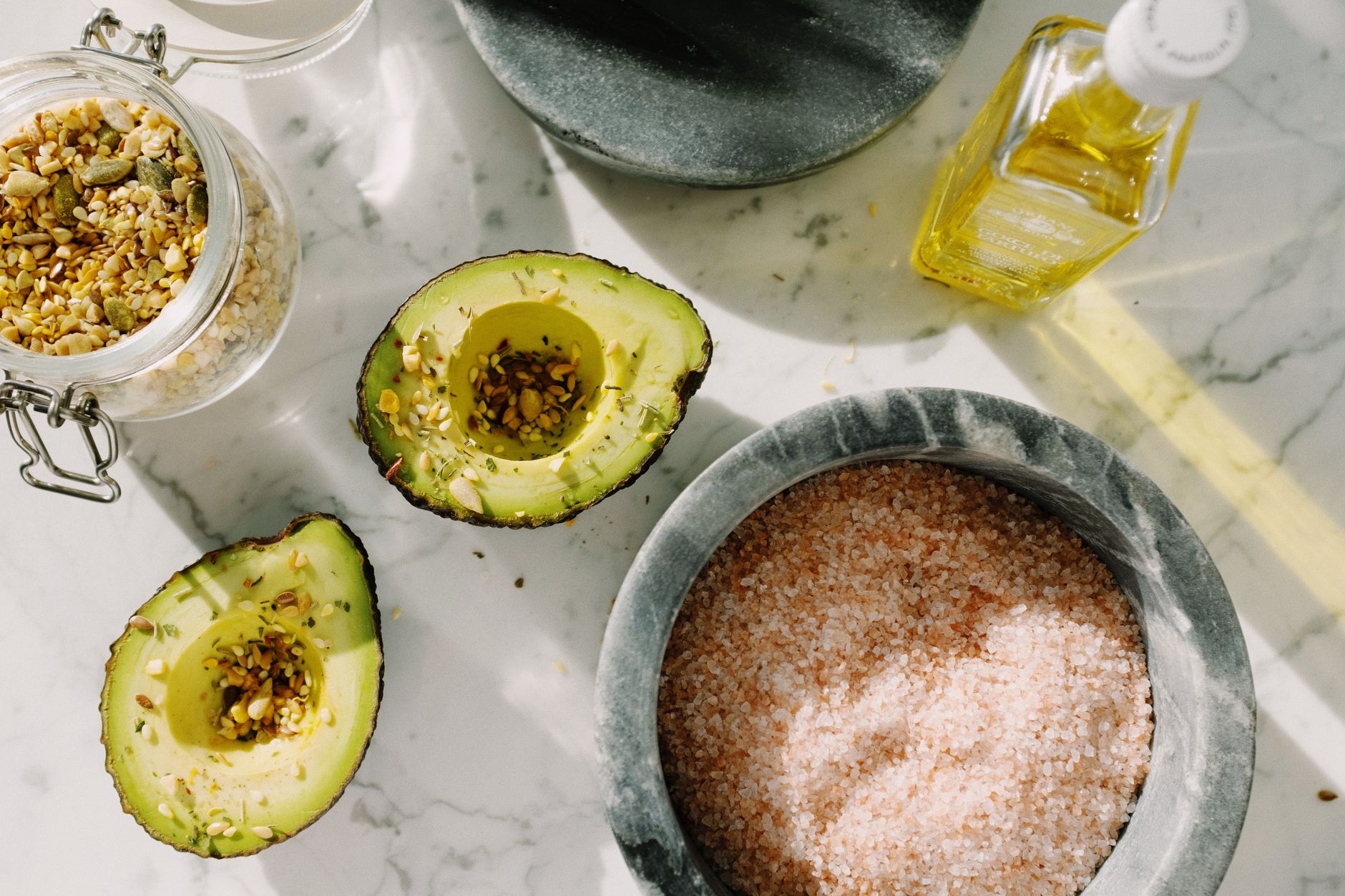
The low-fat era was genuinely bad nutrition advice. Replacing fat with refined carbohydrates and sugar - as most ‘reduced fat’ products did - turned out to be worse for metabolic health than the fat it replaced. The correction that followed was necessary and largely correct: dietary fat, including saturated fat in moderate amounts, is not the primary driver of cardiovascular disease for most people, and fat does not make you fat in any direct mechanistic sense.
But the pendulum swung hard. Fat went from villain to almost sacred, and now a meaningful portion of people eating ‘clean’ are significantly overcounting how much fat their diet can accommodate.
The Calorie Math Is Not Forgiving
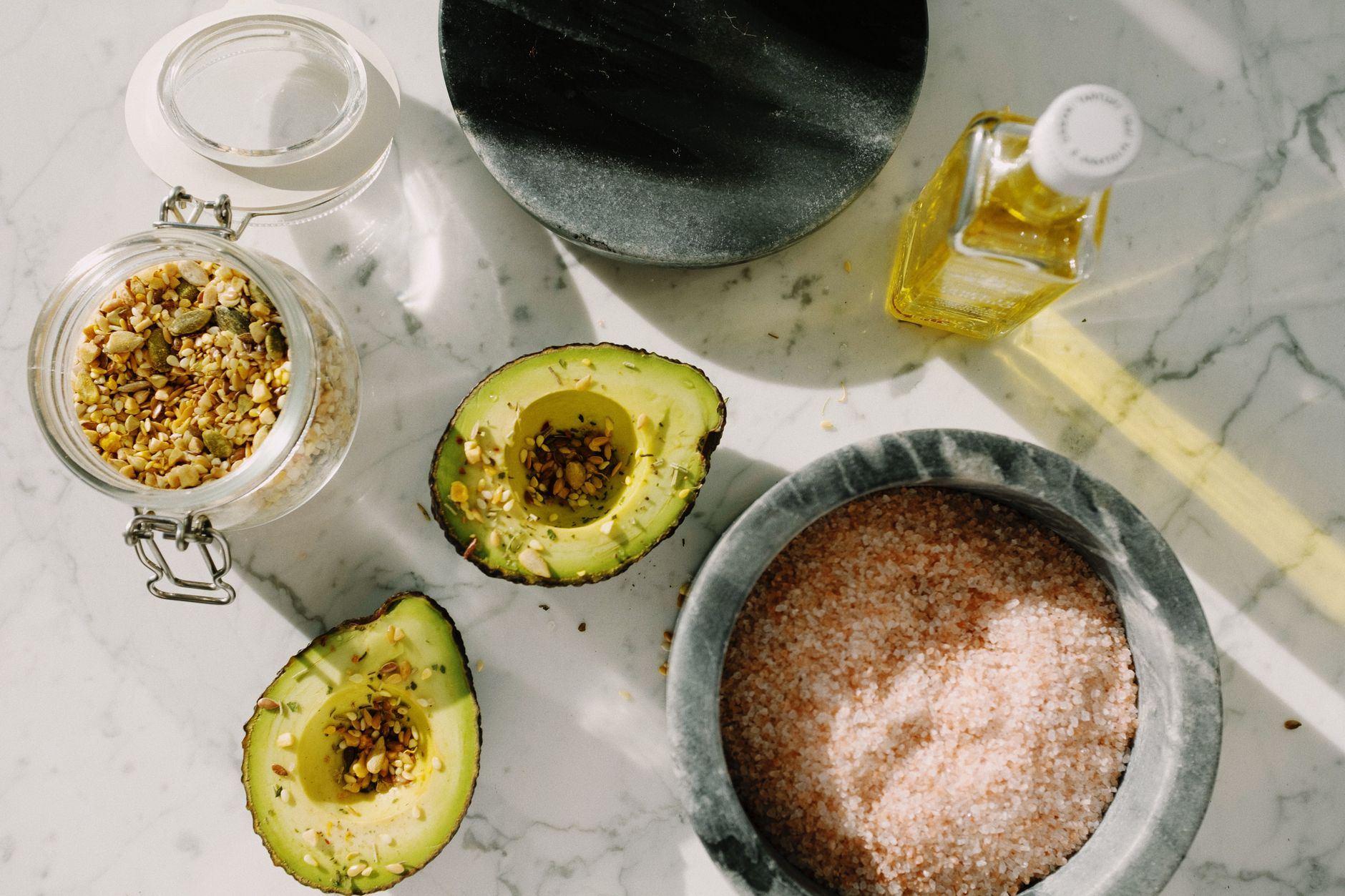
Fat contains 9 calories per gram. Protein and carbohydrates each contain 4. That’s not a talking point - it’s basic biochemistry. A tablespoon of olive oil is around 120 calories. Two tablespoons of almond butter is roughly 190. A large avocado can run 320–350 calories depending on size.
None of these foods are bad. The problem is that the rehabilitation of fat as a macronutrient came packaged with an implicit message that you don’t need to pay attention to how much of it you eat. You do, especially if body composition is part of your goal.
People who track carefully are often surprised to find that their ‘clean’ diet is 45–50% fat by calories. That’s not inherently wrong, but it usually means protein and carbohydrates are being crowded out - and under-eating protein while over-eating fat is a reliable way to lose muscle alongside fat during a deficit.
What Actually Works
Fat intake somewhere between 25–35% of total calories covers physiological needs - hormone production, fat-soluble vitamin absorption, satiety - without dominating the macro split. Below 20% for extended periods tends to affect testosterone and joint health noticeably, which is where the original fat-phobia caused real damage.
The foods worth anchoring fat intake around are the ones that bring other things with them: fatty fish for omega-3s, eggs for choline and protein, olive oil for polyphenols, nuts and seeds for fiber and micronutrients. These aren’t magic. They’re just foods that earn their calorie cost.
The Actual Takeaway
Fat isn’t special in either direction. It isn’t dangerous and it isn’t free. Treating it like a health food category rather than a macronutrient with a caloric value is how people end up eating 600 calories of trail mix while wondering why their deficit isn’t working.