The rehabilitation of dietary fat was necessary and overdue. By the late 1990s, fat had been so thoroughly demonised that people were eating fat-free cookies by the sleeve and wondering why nothing was working. The science that followed - on monounsaturated fats, omega-3s, the failure of low-fat diets to reduce cardiovascular events - corrected a real distortion in nutrition thinking.
But the correction went further than the evidence warranted. Fat didn’t just get exonerated; it got elevated. The implicit message from a decade of keto enthusiasm and butter-in-coffee culture was that fat intake is essentially consequence-free, that it’s uniquely satiating, and that calories from fat behave differently from calories from other sources in ways that give you a structural advantage.
None of that holds up cleanly.
Fat Is Calorie-Dense in a Way That Adds Up Faster Than People Track
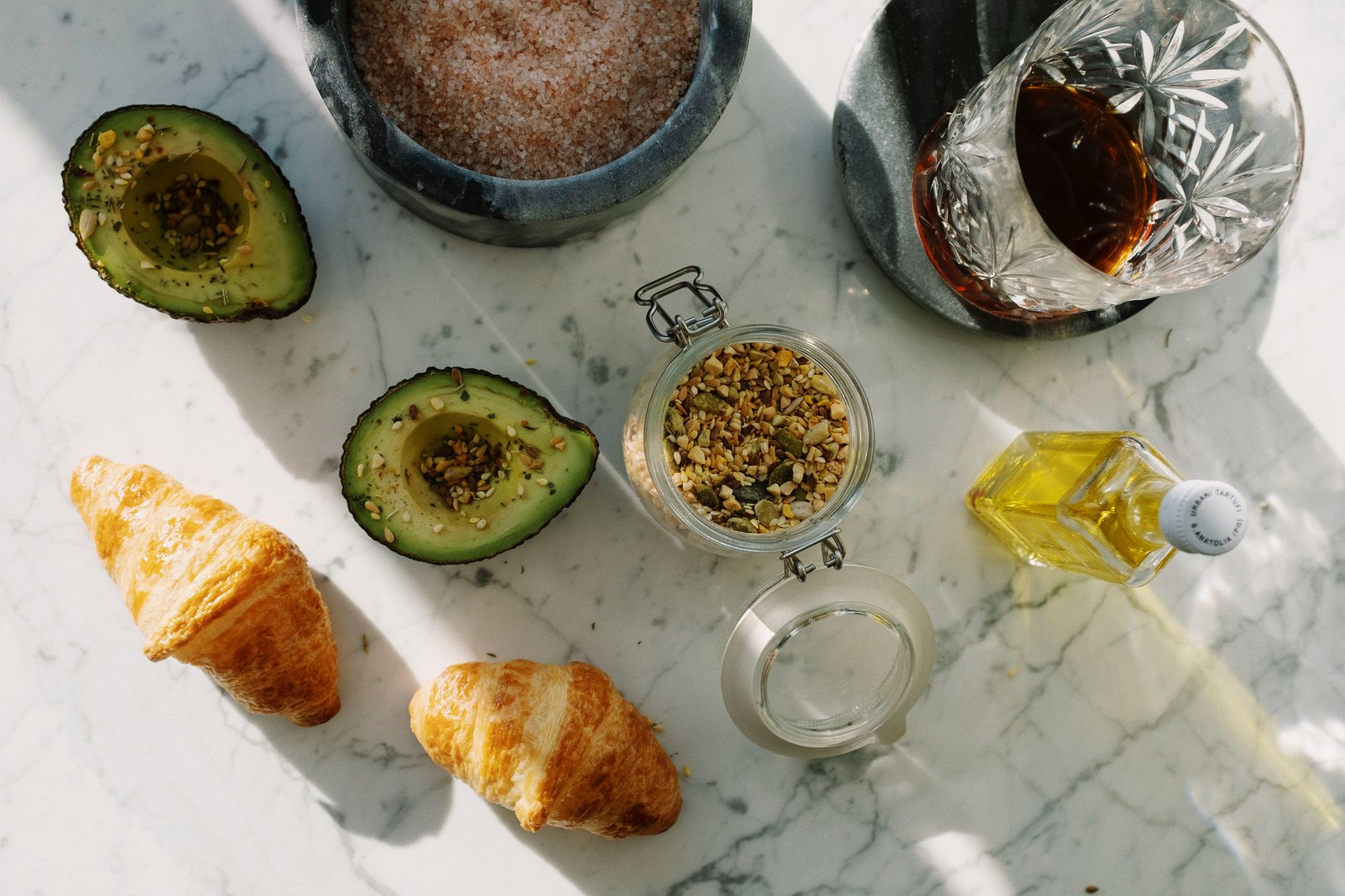
At 9 calories per gram - more than double carbohydrates or protein - fat has a compounding effect on total intake that’s easy to underestimate. A generous pour of olive oil, a handful of almonds, half an avocado, some cheese on eggs: each of these is a reasonable food choice. Together before noon they can represent 600–700 calories, and none of them feel like overeating because none of them are junk food.
This is where the “fat is satiating” argument breaks down in practice. Fat does slow gastric emptying and blunt hunger - but that effect isn’t strong enough to fully compensate for its caloric density when people eat it freely. Studies on ad libitum eating generally show that low-fat, high-protein diets produce comparable or better satiety per calorie than high-fat diets.
The Thing Low-Fat Eating Got Right
Volume. Carbohydrates and protein both carry roughly 4 calories per gram, which means a diet built around them lets you eat more food for the same caloric total. That’s not nothing. People who sustain lower body weights over time tend to eat diets with higher food volume relative to calories - not because carbs are magical, but because sheer mass and fibre create fullness that fat can’t replicate gram-for-gram.
The low-fat movement failed because it replaced fat with refined carbohydrates and sugar. That was the actual problem - not the reduced fat itself.
What a Rational Fat Intake Actually Looks Like
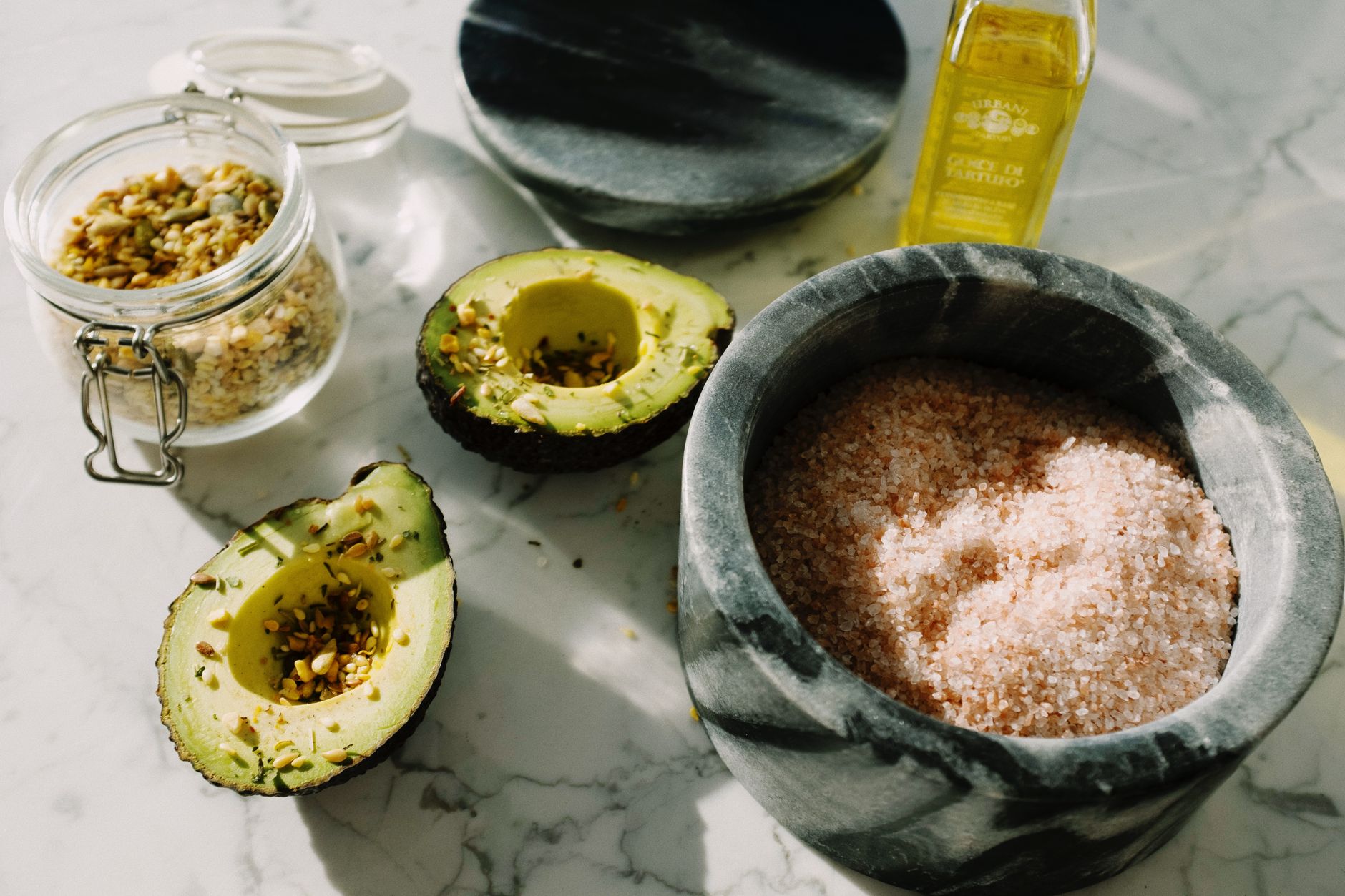
Fat should be present and varied: olive oil, fatty fish, nuts, eggs, some animal fat depending on your broader diet. These foods carry genuine nutritional value - fat-soluble vitamins, essential fatty acids, flavour that makes adherence possible.
But treating fat as the macro you don’t need to track because it’s “clean” is a miscalculation. If you’re eating above maintenance and not seeing the body composition results you expect, fat intake is the first place to look - not because it’s uniquely fattening, but because it’s uniquely easy to eat a lot of without noticing.