Fat got its reputation back sometime around 2010, and the nutrition world has been running with it ever since. Bulletproof coffee, fat-heavy keto macros, the wholesale rejection of low-fat eating - the pendulum swung hard. And the core correction was valid: dietary fat doesn’t cause heart disease in any simple, direct way, saturated fat’s relationship with cardiovascular risk is more nuanced than the old food pyramid suggested, and full-fat foods tend to be more satiating than their stripped-down replacements.
But somewhere in the rehabilitation, fat became frictionless. A food being high in fat started to signal that it was automatically fine - nutrient-dense, satiating, metabolically superior. That’s not quite right either.
Fat Is Still the Most Calorie-Dense Macronutrient
At 9 calories per gram - versus 4 for protein and carbohydrate - fat has a compression problem. A handful of mixed nuts is roughly 170 calories. That’s not a problem in isolation, but it adds up in a way that’s easy to underestimate, especially because fat-heavy foods don’t always feel like eating. You don’t sit down with a bowl of olive oil. You drizzle, you spread, you fold it into things, and suddenly your “light lunch” carries 700 calories before the protein source shows up.
This isn’t an argument for low-fat eating. It’s an argument for actually tracking fat intake if you’re trying to manage total calories - something people who’ve absorbed the “fat is good” messaging often skip.
The Satiety Claim Is Conditional
The argument that fat is more satiating than carbohydrates is real but overstated. Protein is substantially more satiating than fat by most measures - it has a higher thermic effect, it suppresses ghrelin more reliably, and it tends to reduce overall intake more consistently across meals. Fat does slow gastric emptying and contributes to fullness, but it’s working in a supporting role. If you’re building a meal around fat as the primary satiety lever, you’re probably better served by anchoring the meal to protein instead and letting fat come along for flavor and texture.
Carbohydrate quality matters too. Highly processed, low-fiber carbohydrates behave differently than lentils or oats. Lumping them together under “fat is better” misses the actual variable.
What This Looks Like in Practice
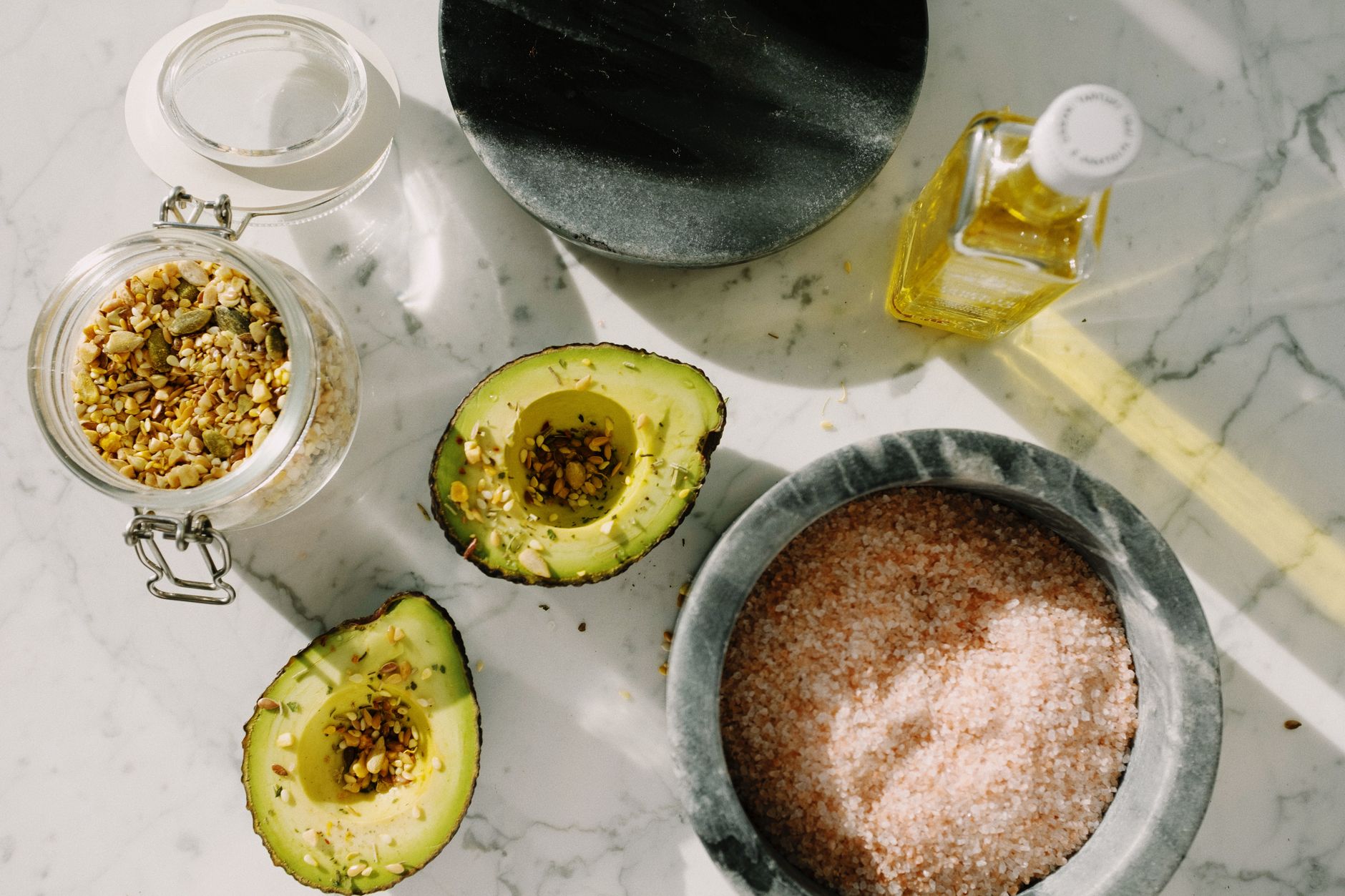
A diet with generous fat intake can work well - Mediterranean-style eating has a strong evidence base, and the fats in that pattern (olive oil, oily fish, nuts) are genuinely useful. The issue is when fat gets used as an uncritical free pass: adding avocado to everything because avocados are healthy, pouring olive oil generously because olive oil is good for you, defaulting to full-fat everything without adjusting for the caloric load.
Fat quality matters. Quantity still matters. Both things are true, and the second one quietly got dropped in the backlash against 1990s low-fat dogma - which is its own kind of nutritional ideology, just facing the other direction.