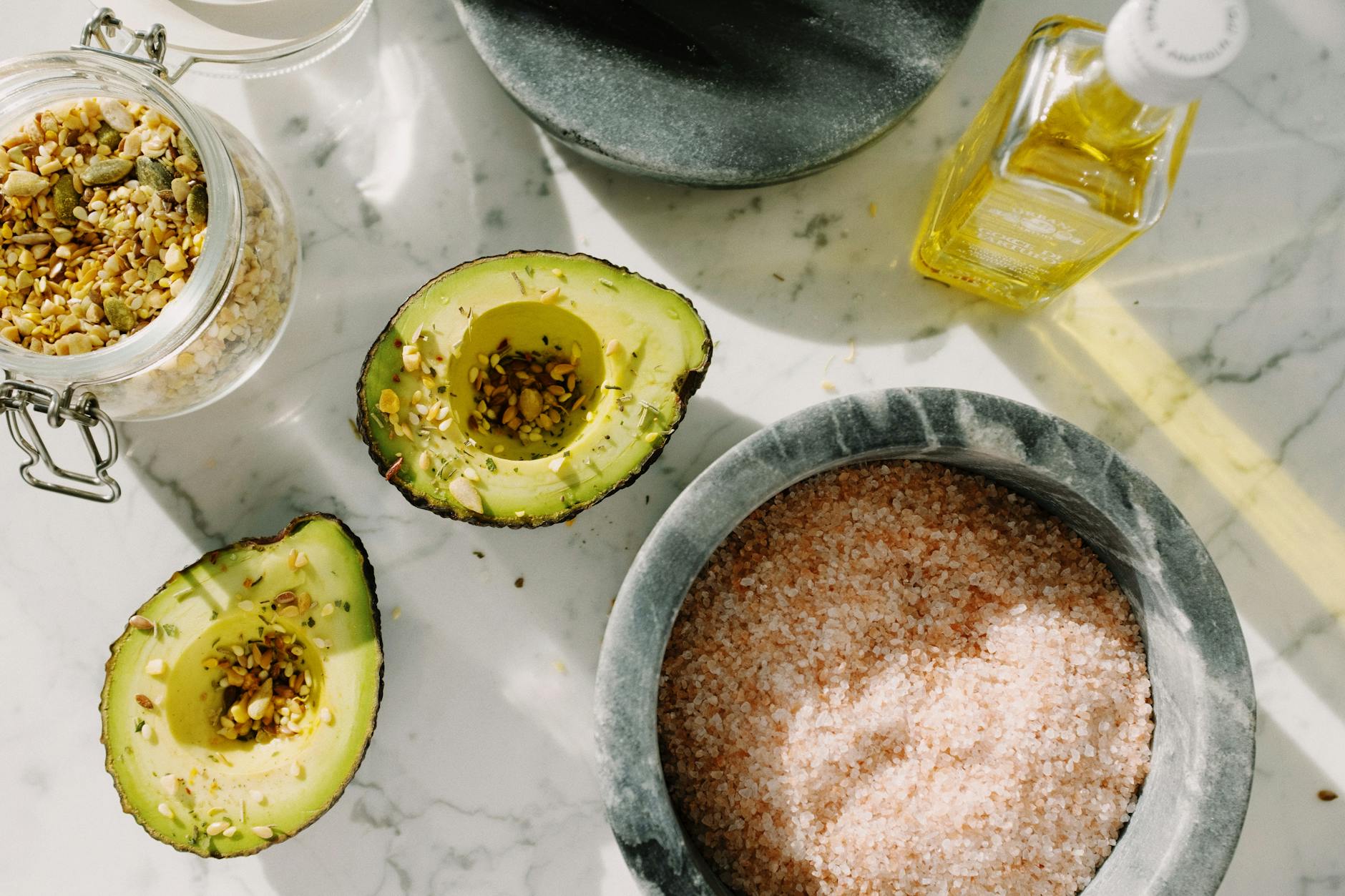
The rehabilitation of dietary fat has been one of nutrition’s bigger course corrections. By the early 2010s, the low-fat orthodoxy that dominated the 80s and 90s had largely collapsed under the weight of research showing that fat doesn’t drive obesity the way the original hypothesis claimed. Good. That needed to happen.
But the pendulum swung hard, and what replaced the old fear wasn’t nuance - it was enthusiasm. Now fat is portrayed as almost universally good, and the idea that source or preparation context matters gets buried under the general message that you should stop worrying about it.
You shouldn’t stop worrying about it entirely.
The Distinction That Actually Matters
Unsaturated fats - the kind found in olive oil, avocados, fatty fish, and most nuts - have a reasonably solid body of evidence supporting their role in cardiovascular health and systemic inflammation. Saturated fat is more complicated: not the villain it was once painted as, but not freely interchangeable with unsaturated fat either. The American Heart Association still recommends limiting saturated fat, and that guidance isn’t fringe.
Trans fats, the industrially produced kind found in partially hydrogenated oils, are a different category entirely. They’re largely banned in the US and many other countries for good reason - the evidence linking them to LDL elevation and cardiovascular risk is strong. The confusion is that naturally occurring trans fats (found in small amounts in dairy and some meat) don’t appear to carry the same risk. Same name, different thing.
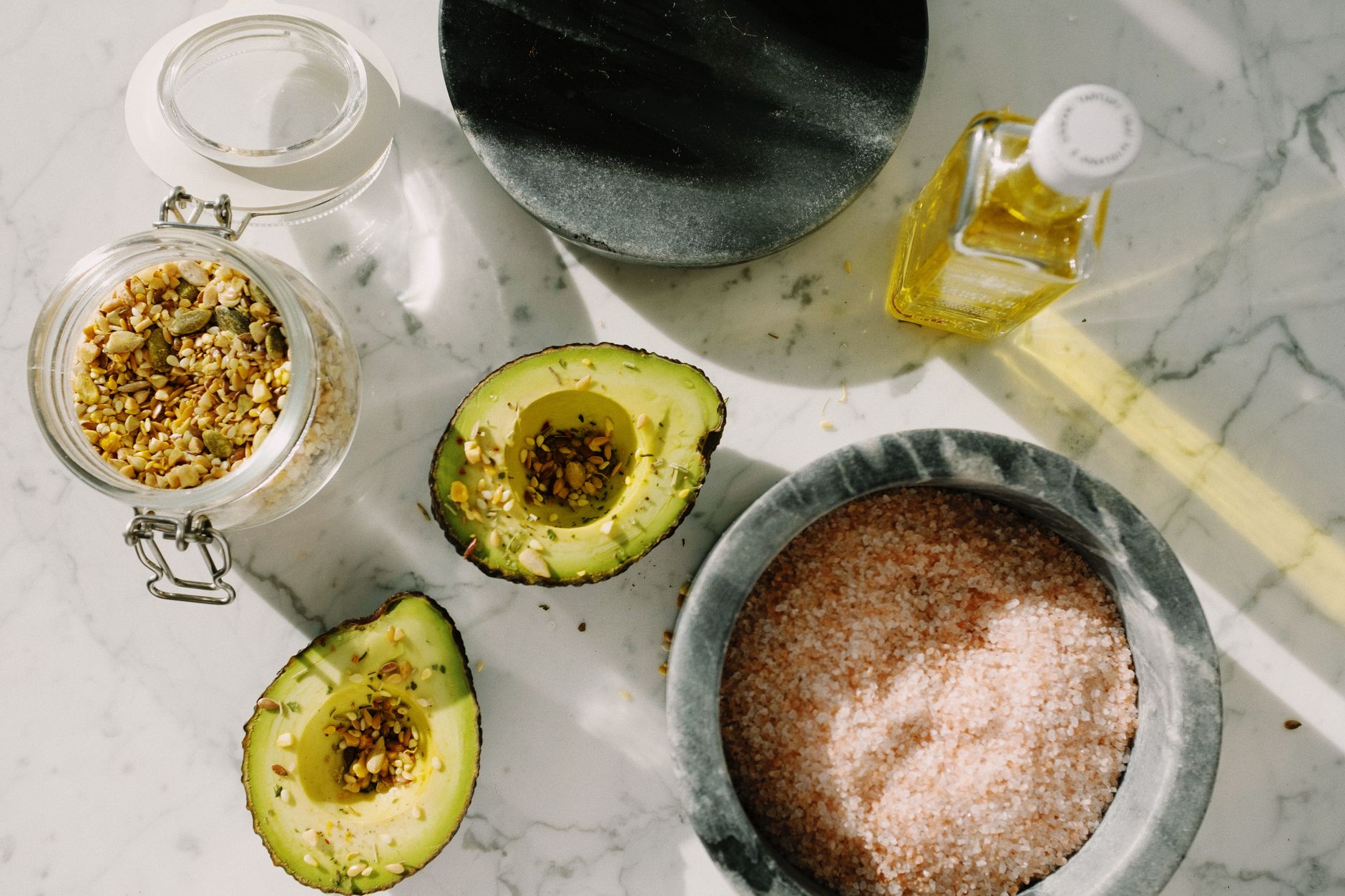
Where People Actually Go Wrong
Most people eating a Western diet aren’t failing because they eat fat. They’re failing because a large proportion of their fat intake comes from ultra-processed foods - the fats in packaged snacks, fast food, and seed oils used at high heat repeatedly. It’s not that seed oils are poison, as some corners of the internet insist. It’s that the delivery vehicle matters. Chips cooked in sunflower oil are not the same nutritional proposition as drizzling sunflower oil on roasted vegetables.
Calorie density is the other thing that gets ignored. Fat has 9 calories per gram versus 4 for protein and carbohydrates. That’s not an argument against eating it - it’s an argument for paying some attention to portion size, particularly with foods like nut butters and cheese that are easy to eat in large quantities without noticing.
The Practical Version
Eat more olive oil, avocados, fatty fish, and whole nuts. Be less cavalier about saturated fat if cardiovascular disease runs in your family. Stop reading about seed oils on social media. And pay attention to what the fat is traveling with - because fat in a handful of almonds and fat in a sleeve of crackers are doing very different things in your body.