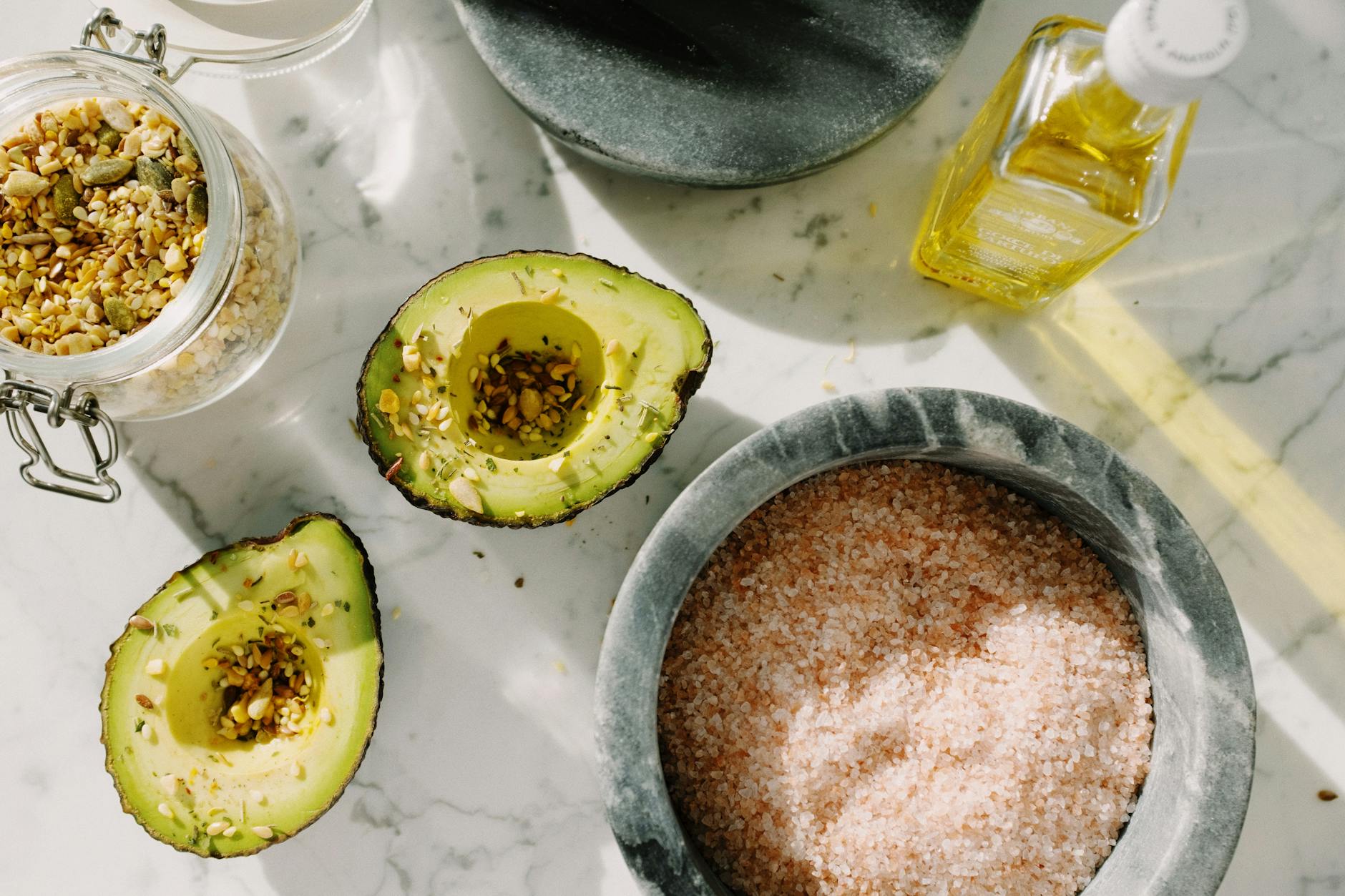
The low-fat era did lasting damage. Not just to people’s diets - to their ability to think clearly about fat as a macronutrient. After decades of fat being treated as the villain, the pendulum swung hard. Now the dominant message is that fat is fine, fat is good, eat more fat. That’s closer to true, but it papers over real distinctions that matter for how your body functions day to day.
Fat quality is not a minor detail
Monounsaturated fats - the kind concentrated in olive oil, avocados, and most nuts - have a well-established association with cardiovascular markers that trend in the right direction. The Mediterranean dietary pattern, which is high in these fats, has been studied extensively, and the evidence for it is more consistent than nearly any other dietary approach at the population level.
Polyunsaturated fats split into omega-3s and omega-6s, and the ratio between them is where things get more complicated. Most people eating a Western diet get substantial omega-6s (from seed oils, processed snacks, most restaurant food) and very little omega-3s. Omega-3s from fatty fish - sardines, salmon, mackerel - are the most bioavailable form. ALA from flaxseed converts to EPA and DHA at a low rate in the body, which is worth knowing if fish isn’t part of your diet.
Saturated fat is the genuinely contested one. The evidence linking it to cardiovascular outcomes has weakened over the past decade, but that doesn’t mean you should treat it as neutral. The more useful question is what you’re eating instead of saturated fat. Replacing it with refined carbohydrates, as many low-fat products did, doesn’t improve outcomes. Replacing it with unsaturated fats appears to.
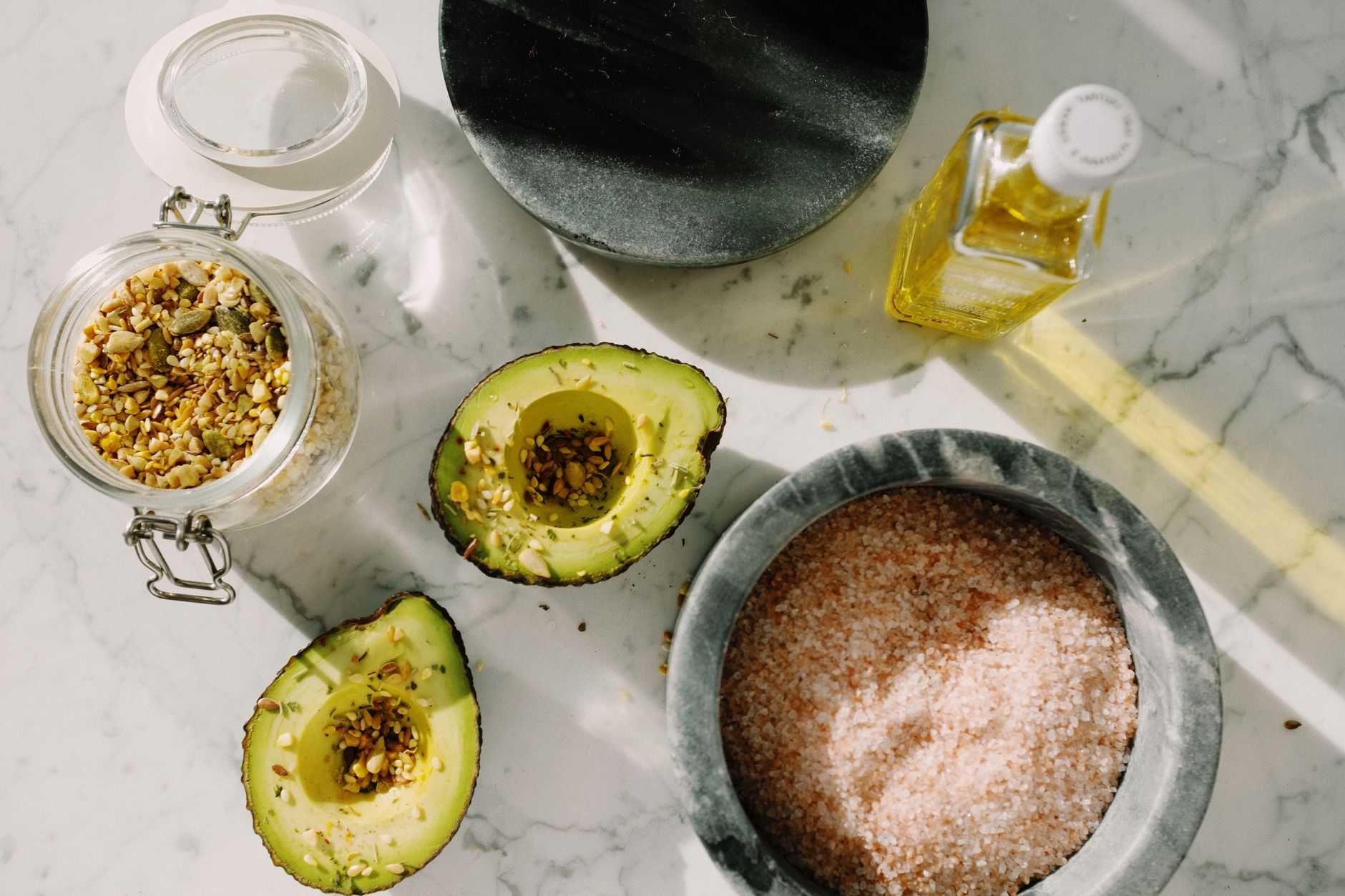
Trans fats are not a grey area
Artificially produced trans fats - partially hydrogenated oils - are about as close to a dietary consensus as nutrition science gets. Most countries have phased them out of the food supply, but they still appear in some imported products and certain commercial baked goods. Checking ingredient labels for “partially hydrogenated” is still worth doing.
What this means practically
You don’t need to obsess over fat intake numbers. But the source of your fat matters in a way that your total gram count doesn’t capture. Olive oil as your primary cooking fat, fatty fish two or three times a week, and limiting the ultra-processed foods where industrial fats tend to concentrate - that’s a more useful frame than hitting a specific macro percentage.
Total fat intake within a reasonable range is not what determines body composition. Calories do that. Fat quality is about the other stuff: inflammation, hormonal function, cardiovascular health over time. Those things are worth paying attention to even when they don’t show up immediately on any measurable outcome.