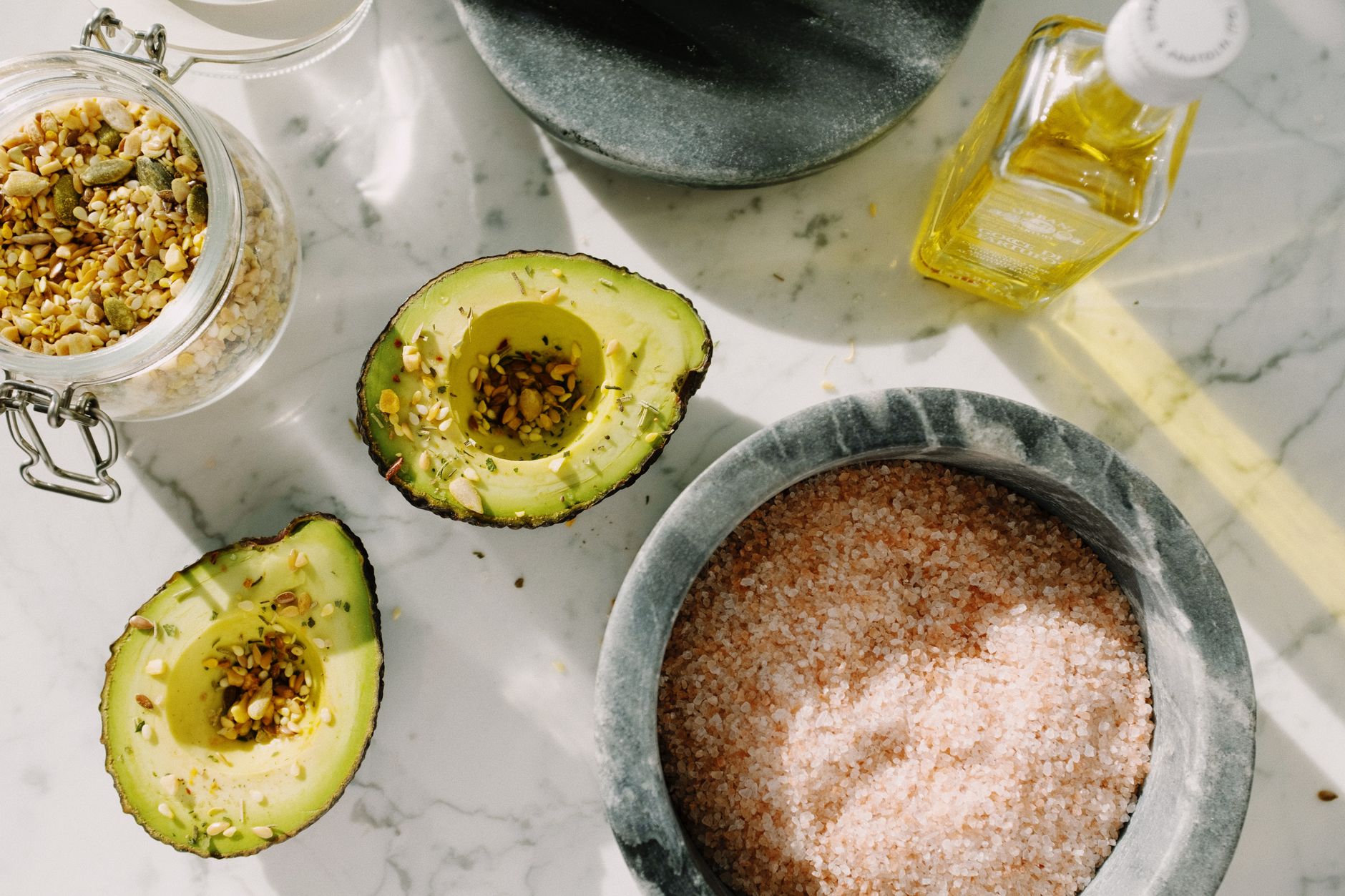
Fat’s reputation has been mostly restored since the low-fat era collapsed. Most people now understand that dietary fat doesn’t automatically convert to body fat, that olive oil is not the enemy, and that avoiding fat while hammering refined carbohydrates was always a bad trade. Good. But the rehabilitation went a little too far in some circles, and now fat gets treated as metabolically neutral - just eat it freely, it’s fine. That’s not quite right either.
The actual issue isn’t fat. It’s caloric density combined with palatability. Fat contains roughly 9 calories per gram compared to 4 for protein or carbohydrates. That’s not a reason to avoid it, but it does mean that fat-heavy foods stack calories fast, especially when they’re also engineered to be delicious. A handful of mixed nuts is somewhere around 170 calories. Two handfuls - which is what most people actually eat - is 340. Neither serving feels like a meal. This is where people who switched to “healthy fats” and gained weight aren’t imagining things.
Where the Math Goes Wrong
The foods that tend to combine fat with high palatability - nut butters, full-fat dairy, avocado on everything, cheese, fatty cuts of meat with good seasoning - are genuinely nutritious. They’re also easy to overconsume in a way that plain chicken breast or steamed rice simply is not. Processed food engineers understood this for decades: fat plus salt, or fat plus sugar, bypasses normal satiety signals more effectively than either macronutrient alone. That dynamic doesn’t disappear just because you’re eating almond butter instead of a cookie.
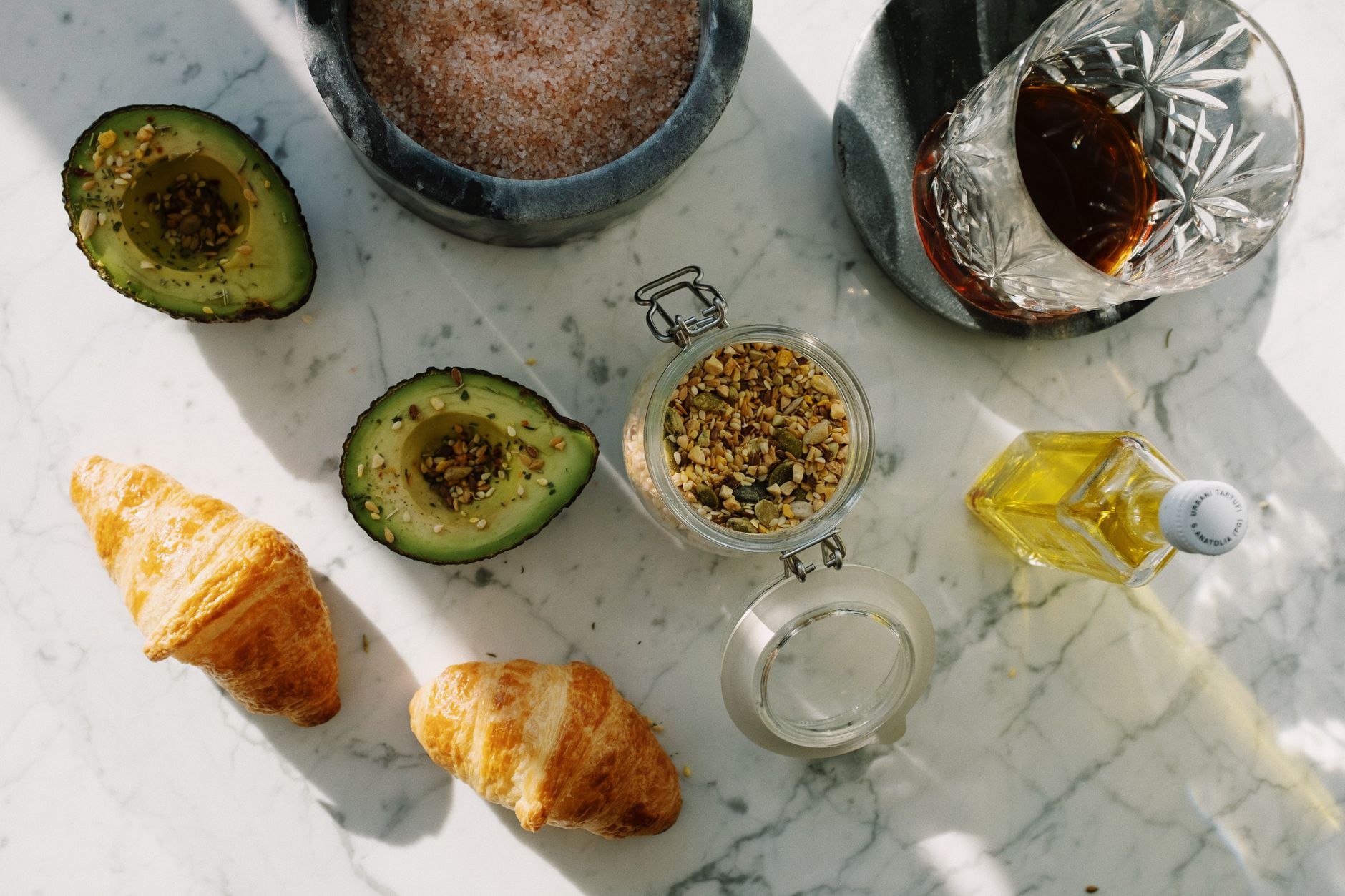
If fat intake is something you actually need to track, the most practical approach is to measure it in grams rather than eyeballing portions. Liquid oils especially - a “drizzle” of olive oil poured without measuring is often 2–3 tablespoons, which is 240–360 calories before any food is on the plate.
The One Thing Fat Does That No Other Macro Does as Well
Fat slows gastric emptying. Meals with adequate fat digest more slowly, which flattens the blood glucose response and genuinely extends satiety in a way that protein and carbohydrates alone don’t fully replicate. This is why a lunch of grilled chicken and white rice often leaves people hungry by 2pm, but the same chicken cooked in olive oil with half an avocado holds much longer.
So the goal isn’t to minimize fat or maximize it. It’s to use fat deliberately - enough to support satiety and hormonal function, not so much that it quietly inflates total calories beyond what the rest of the diet can accommodate. The line between those two looks different depending on how much someone eats overall, and that’s probably where more people should be doing their thinking.