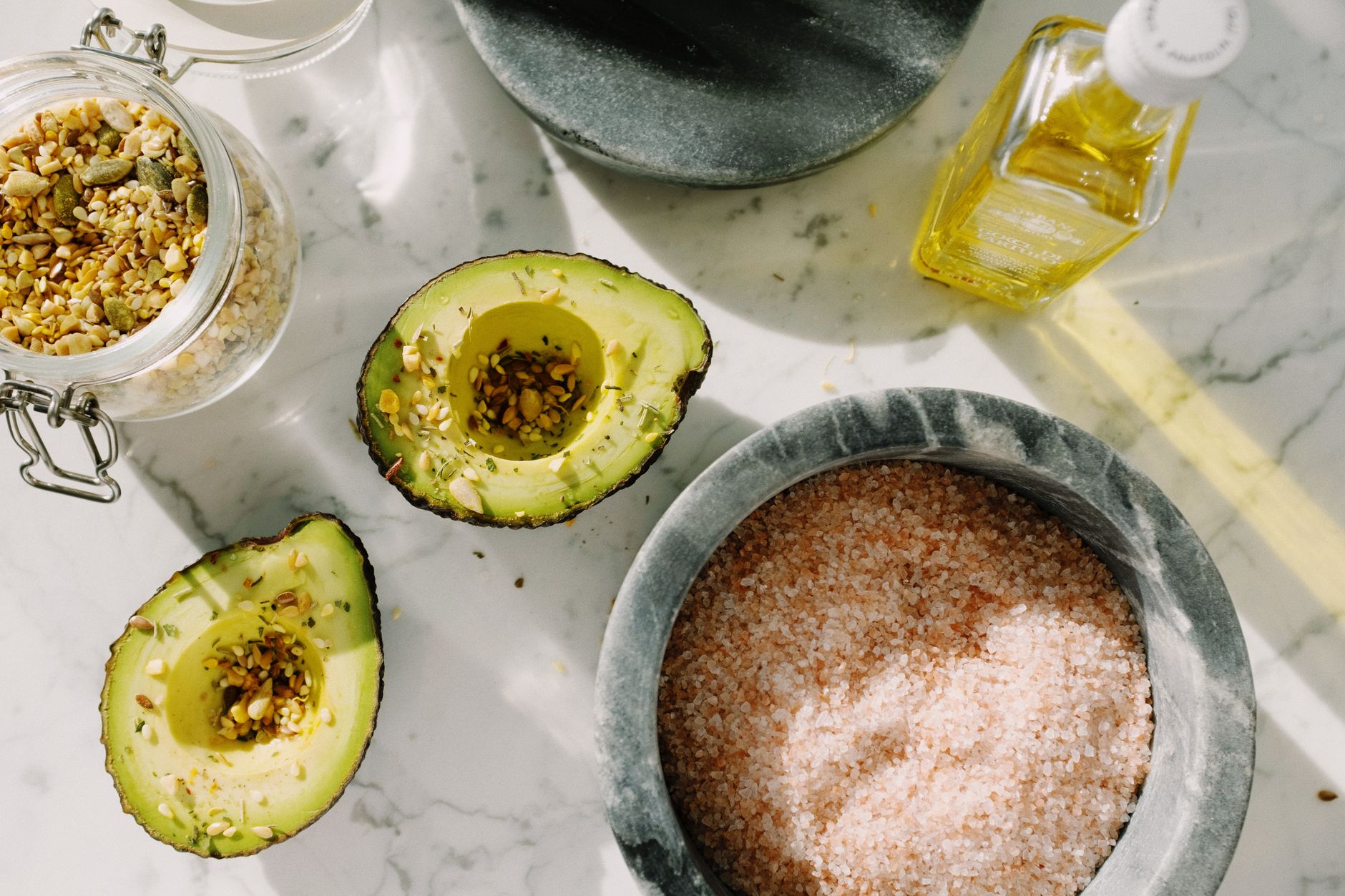
Fat was fully rehabilitated as a macronutrient somewhere around 2010, give or take a few years of lagging public opinion. Yet most people still treat it as a conditional food group - acceptable in small quantities, virtuous when it comes from avocado, suspicious when it comes from anything else. That’s not a position based on evidence. It’s dietary fat phobia wearing a wellness costume.
The actual picture is less dramatic and more useful: fat is calorie-dense (9 kcal per gram versus 4 for protein and carbohydrate), which means the volume at which it tips you into a surplus is lower than most people expect. That’s the real issue - not fat as a category.
Where People Actually Go Wrong
The most common mistake isn’t eating fat. It’s eating fat on top of an already adequate carbohydrate intake, without adjusting total calories. A tablespoon of olive oil is 120 calories. Three tablespoons of peanut butter - which is an easy, mindless amount to eat - lands around 285. None of this is alarming if you’re accounting for it. Most people aren’t.
The pairing problem is underappreciated. Fat slows gastric emptying, which is useful for satiety but also means it tends to get eaten alongside other food rather than instead of it. A handful of almonds before dinner doesn’t replace anything - it just precedes dinner.
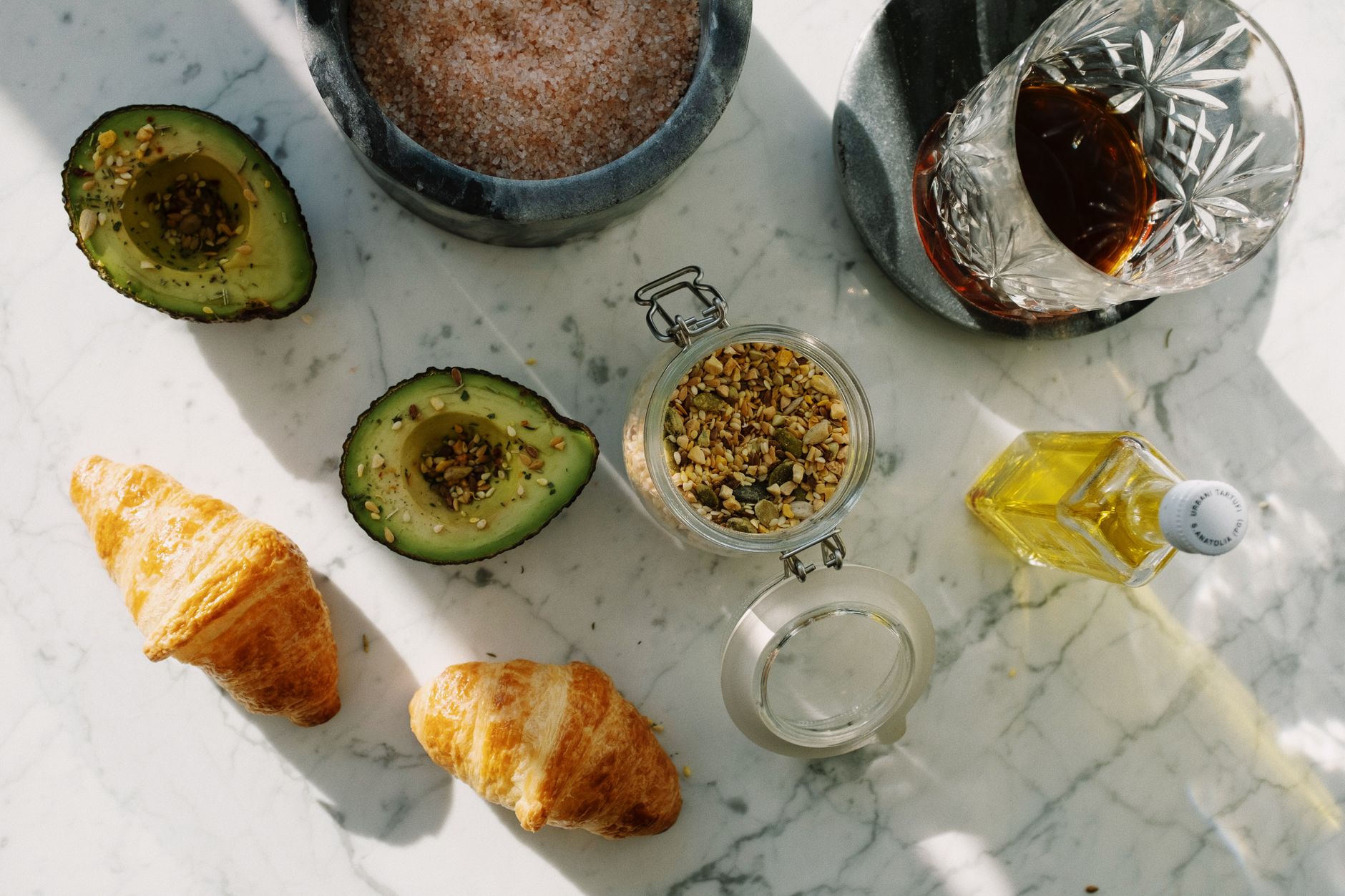
The Fat Sources That Actually Earn Their Place
Monounsaturated fats - found in olive oil, avocados, most nuts - have a legitimate case for prioritisation. The evidence connecting them to cardiovascular markers is reasonably consistent. Omega-3 fatty acids from fatty fish (salmon, mackerel, sardines) have well-established anti-inflammatory properties and most people consume far too little of them.
Saturated fat is where the nuance gets buried. The relationship between saturated fat intake and LDL cholesterol is real but varies considerably by individual and by the food source. Replacing saturated fat with refined carbohydrates - which happened in practice during the low-fat era - produced worse outcomes, not better ones. That doesn’t mean saturated fat is neutral; it means context matters.
The Simple Adjustment
If you’re eating a reasonably protein-forward diet and not tracking fat intake, start there. Not obsessively - just for a week. Most people find they’re eating 60–80g without any awareness of it, often more. From that baseline, shifting toward more unsaturated sources and being honest about volume is enough.
Fat isn’t the enemy. Eating it without any accounting is just imprecision, and imprecision has a caloric cost.