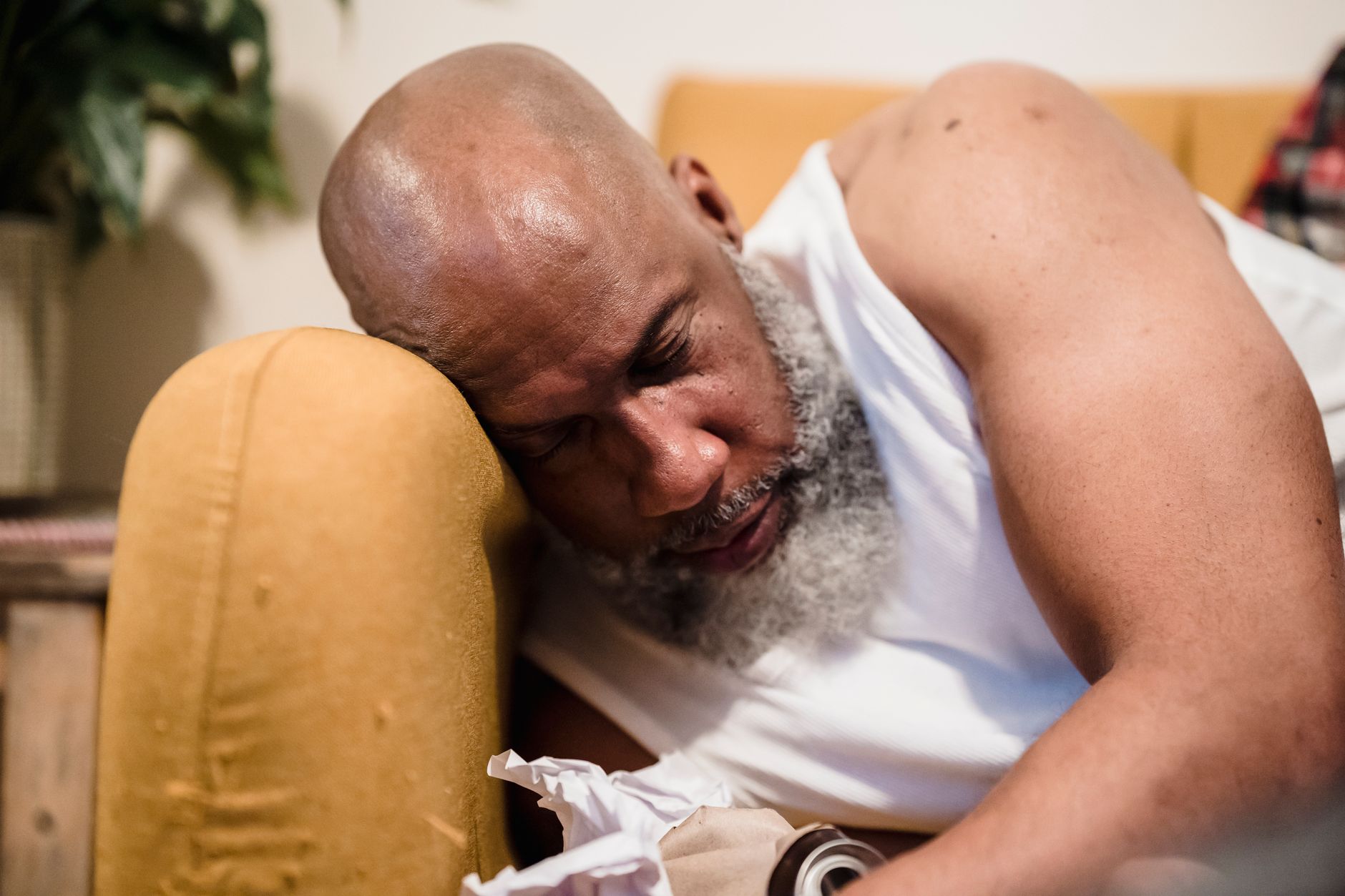
Most people think of stress as an event - a bad week at work, a relationship problem, a financial scare. Something that arrives, peaks, and then passes. That framing is why so many people overlook the kind of stress that actually does the most damage to physical performance and recovery: the diffuse, background kind that never fully turns off.
This isn’t anxiety in the clinical sense. It’s subtler. It’s the mild but persistent activation that comes from a phone that never goes quiet, a schedule with no real margins, a job where you’re always half-responsible for something. None of it feels dramatic. None of it would sound alarming if you described it to someone else. But physiologically, your nervous system doesn’t distinguish between a genuine threat and a low-stakes notification pulling your attention for the fortieth time in a day.
What This Does to the Body
The stress response - cortisol, elevated sympathetic tone, increased inflammatory signalling - is designed to be temporary. It’s calibrated for short bursts followed by recovery. When the system stays partially activated for weeks or months, recovery from training is one of the first things to degrade. Muscle protein synthesis slows. Sleep architecture shifts toward lighter stages. Appetite regulation becomes erratic. None of this shows up as a single obvious symptom. It shows up as feeling like you’re not getting anywhere despite doing everything right.
The research on cortisol and sleep quality is reasonably well-established: sustained elevated cortisol is associated with reduced slow-wave sleep, which is the phase most associated with physical repair. You can be in bed for eight hours and still be under-recovering.

The Problem With “Just Decompress”
Standard advice here tends toward the obvious: meditate, take walks, limit screen time. That advice isn’t wrong, but it treats stress management like an add-on - a thing you do after your real life. The more useful reframe is to look at what is keeping the nervous system activated and whether any of it is actually optional.
Some of it isn’t. But a surprisingly large amount of chronic low-grade stress is structural - built into how people have organised their time and attention - rather than inevitable.
One Concrete Place to Start
If recovery has felt blunted for a while and nothing else explains it, the most useful experiment is usually not adding something (a supplement, a new sleep protocol). It’s removing stimulation for a defined window - no inputs, no tasks, no background noise - for 20 to 30 minutes daily, consistently, for two weeks. Not as relaxation in a vague sense, but as a deliberate attempt to bring the autonomic nervous system back toward parasympathetic dominance.
Whether that actually moves the needle probably depends on how activated your baseline has become and how long it’s been that way.