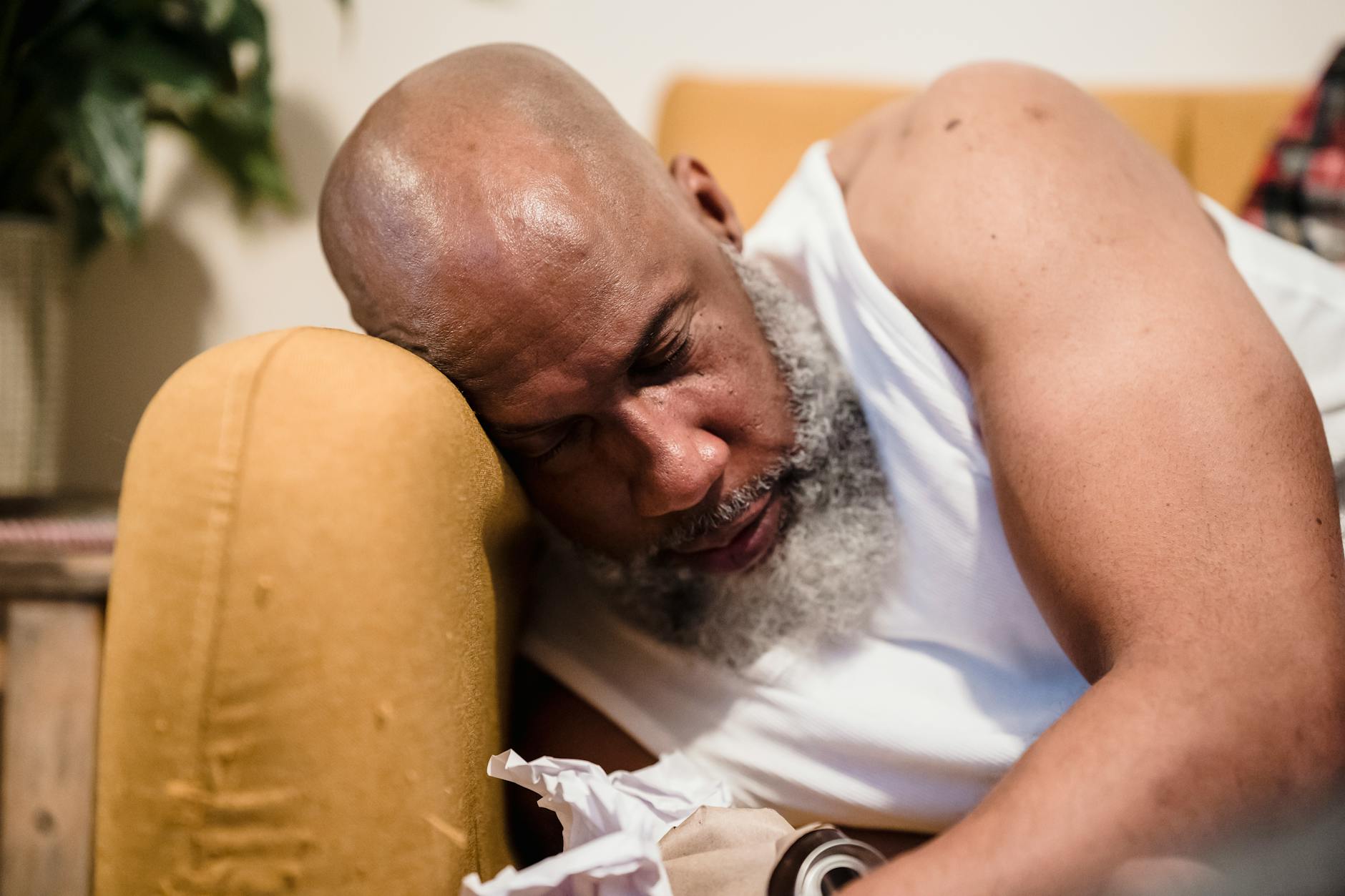
Most people who struggle with recovery aren’t sleeping badly or training too hard. They’re carrying a constant low-level load - work pressure, financial background noise, a cluttered task list that never fully empties - and their nervous system is treating all of it as threat.
The body doesn’t distinguish cleanly between psychological stress and physical stress. Both activate the HPA axis and drive cortisol output. Both suppress the parasympathetic state your body needs to repair tissue, consolidate training adaptations, and regulate inflammation. So when people complain that they’re sleeping eight hours but still waking up tired, or that their soreness lingers longer than it used to, chronic low-grade stress is usually more implicated than any training variable.
The Problem with ‘Managing’ Stress
The standard advice - meditate, journal, take walks - isn’t wrong, but it frames the problem as something you add a solution on top of. Ten minutes of box breathing before bed doesn’t undo fourteen hours of low-grade sympathetic activation. It helps at the margins, but it doesn’t address the structural pattern: that many people are running at 60–70% threat response all day, every day, and treating recovery as something that happens only during sleep.
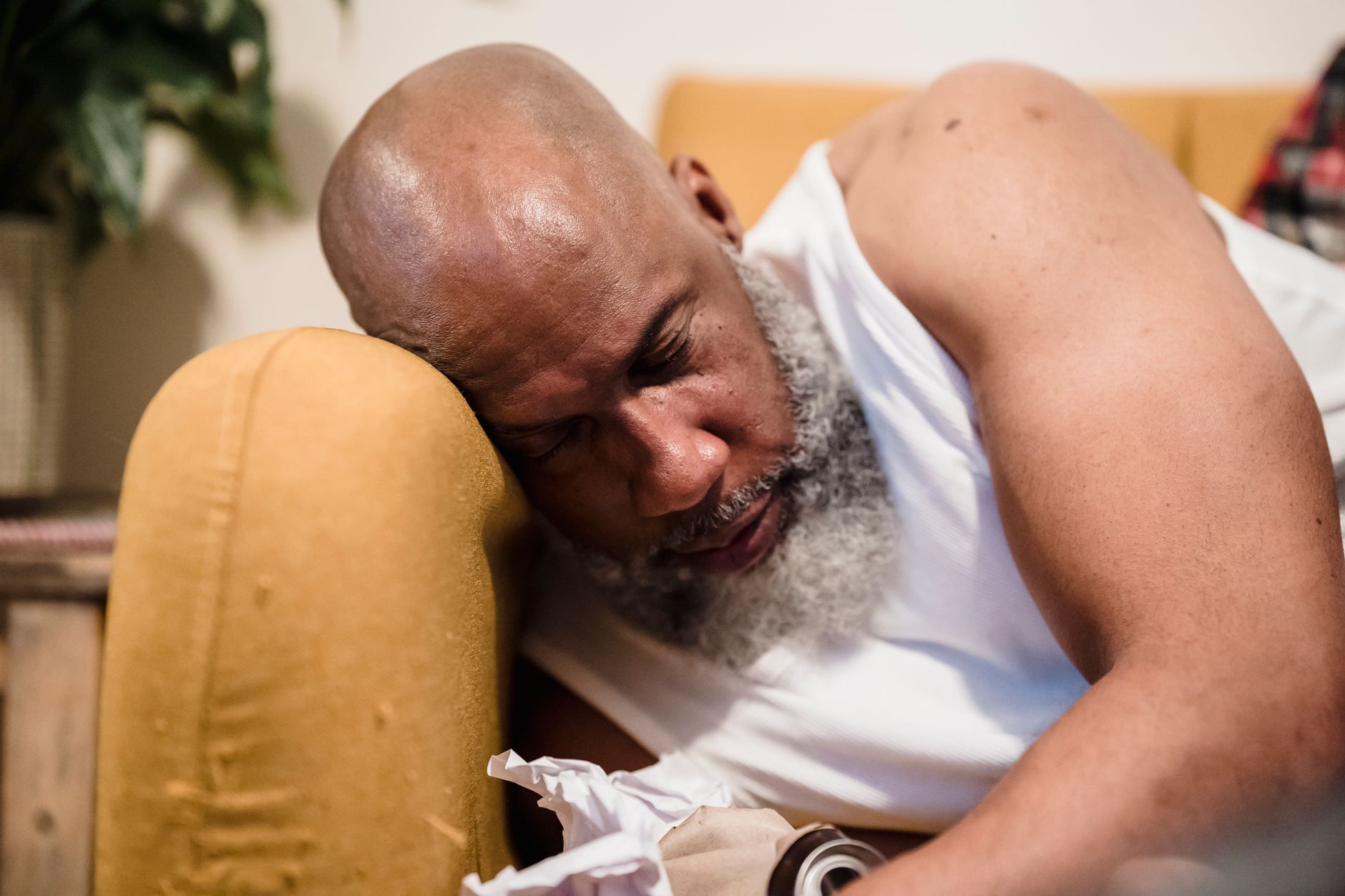
Recovery isn’t a phase of the day. It’s a physiological state the body moves in and out of continuously - or should. If you’re checking email while eating lunch, taking calls during your commute, and scrolling through anxiety-producing content before bed, you’re not giving the system meaningful downtime. The nervous system needs genuine disengagement, not just sleep.
What Actually Shifts the Dial
Evidence from research on heart rate variability - a practical proxy for autonomic nervous system balance - consistently points to a few high-leverage behaviours: deliberate non-stimulating downtime during the day (not productivity rebranded as ‘walking meetings’), consistent wake times, and reducing context-switching in the late afternoon. None of these are revolutionary. The difference is treating them as recovery infrastructure rather than optional lifestyle tweaks.
Strength athletes who track HRV often notice that their worst-recovery mornings correlate less with hard training sessions and more with late-night screen use, alcohol, or high-stress evenings. The training load gets blamed because it’s visible. The stress load doesn’t because it’s ambient.
If your recovery is stalling and your program looks fine on paper, the honest question isn’t what you’re doing in the gym - it’s what your nervous system is dealing with the other twenty-two hours.