
Most people think of stress as an event - a bad week at work, a conflict, a deadline. The body treats it more like weather. And the kind that causes the most physical damage isn’t the dramatic storm; it’s the persistent overcast that goes on for months without ever quite resolving.
Chronic low-grade stress keeps cortisol elevated at times when it shouldn’t be. That matters more than most people appreciate, because cortisol isn’t just a “stress hormone” in the abstract sense - it actively suppresses protein synthesis, disrupts sleep architecture, blunts testosterone, and accelerates muscle breakdown. None of those effects announce themselves. They just show up as slower recovery, stalled progress, and a vague sense of not quite adapting to training despite doing everything right on paper.
Why You Miss It
The reason chronic stress flies under the radar is that it doesn’t feel like stress after a while. It feels like baseline. You stop noticing the slightly elevated resting heart rate, the shallow sleep, the persistent low-level irritability. When someone asks if you’re stressed, you say “not really” - and you mean it. The nervous system has recalibrated around the new normal.
This is partly why tracking resting heart rate over time is more useful than any single measurement. A consistent upward drift of five to eight beats per minute across several weeks, with no change in training load, is a more honest signal than subjective self-assessment.
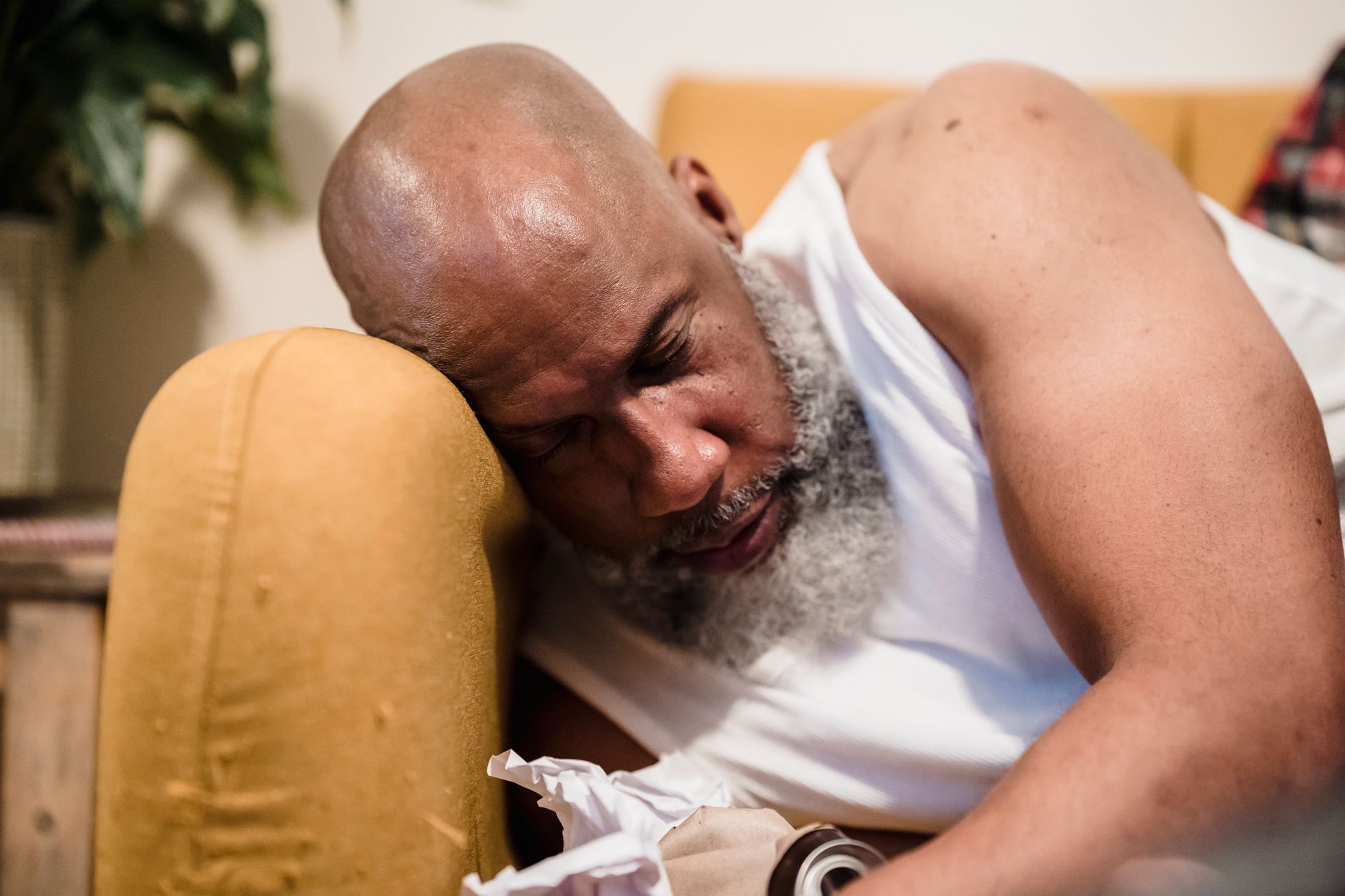
What It Does to Sleep
Elevated evening cortisol delays sleep onset and reduces slow-wave sleep - the deep, restorative stage where most physical repair happens. You might still log seven or eight hours and wake up unrefreshed. The total time is there; the architecture isn’t. This is why sleep duration alone is a poor metric. The quality underneath the hours matters, and chronic stress degrades that quality before it ever touches the quantity.
The Hard Part
Reducing chronic low-grade stress isn’t mainly a technique problem. Breathwork and cold exposure have their advocates, and some evidence supports both for acute nervous system regulation. But neither addresses the source. If the source is structural - workload, financial pressure, relationship conflict - no recovery protocol fully compensates. The body keeps score regardless of how well you’ve optimized everything else around the edges.
That’s an uncomfortable place to leave it, but it’s the honest one. The stress management conversation in fitness circles tends to stay in the domain of things you can add to a routine. The harder version of the question is about what you’d have to remove.