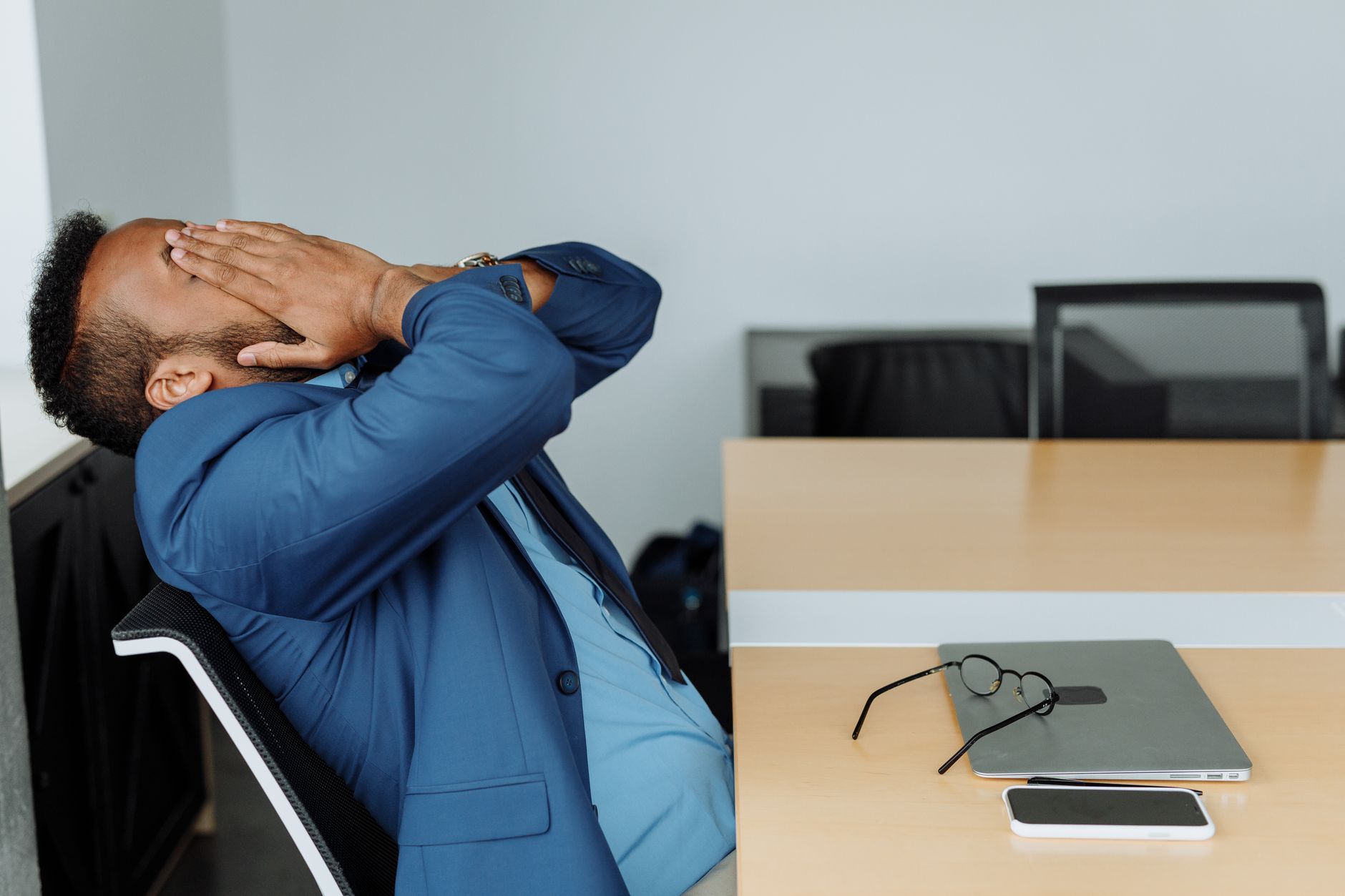
Most people think of stress as an event - a deadline, a difficult conversation, a bad diagnosis. Something that arrives, peaks, and then leaves. The body has a well-documented response to that kind of stress: cortisol spikes, heart rate climbs, digestion slows, and then, once the threat passes, the system recovers. That recovery is the part people forget about. It only works when the stress actually ends.
The more common problem isn’t acute stress. It’s the steady, unspectacular background noise that never fully resolves - a job that asks slightly too much, a sleep schedule that’s always a little off, financial pressure that sits just below the surface, a phone that keeps the nervous system in a permanent low-level state of alert. None of it feels dramatic enough to take seriously. That’s exactly why it accumulates.
What chronic low-grade stress actually does to the body
Elevated cortisol over extended periods has documented effects on sleep architecture, immune response, muscle recovery, and appetite regulation. It tends to blunt slow-wave sleep - the deep, restorative stage - which means people wake up having technically slept but not having actually recovered. It also increases cravings for calorie-dense food, not because of a lack of discipline, but because cortisol and ghrelin interact in ways that make high-reward foods genuinely harder to resist.
For anyone training consistently, the effect on recovery is particularly relevant. Muscle repair depends on anabolic signalling that chronic cortisol suppresses. You can be doing everything right in the gym and eating enough protein, and still not be adapting the way you should - because the hormonal environment your body is living in is oriented toward threat management, not growth.
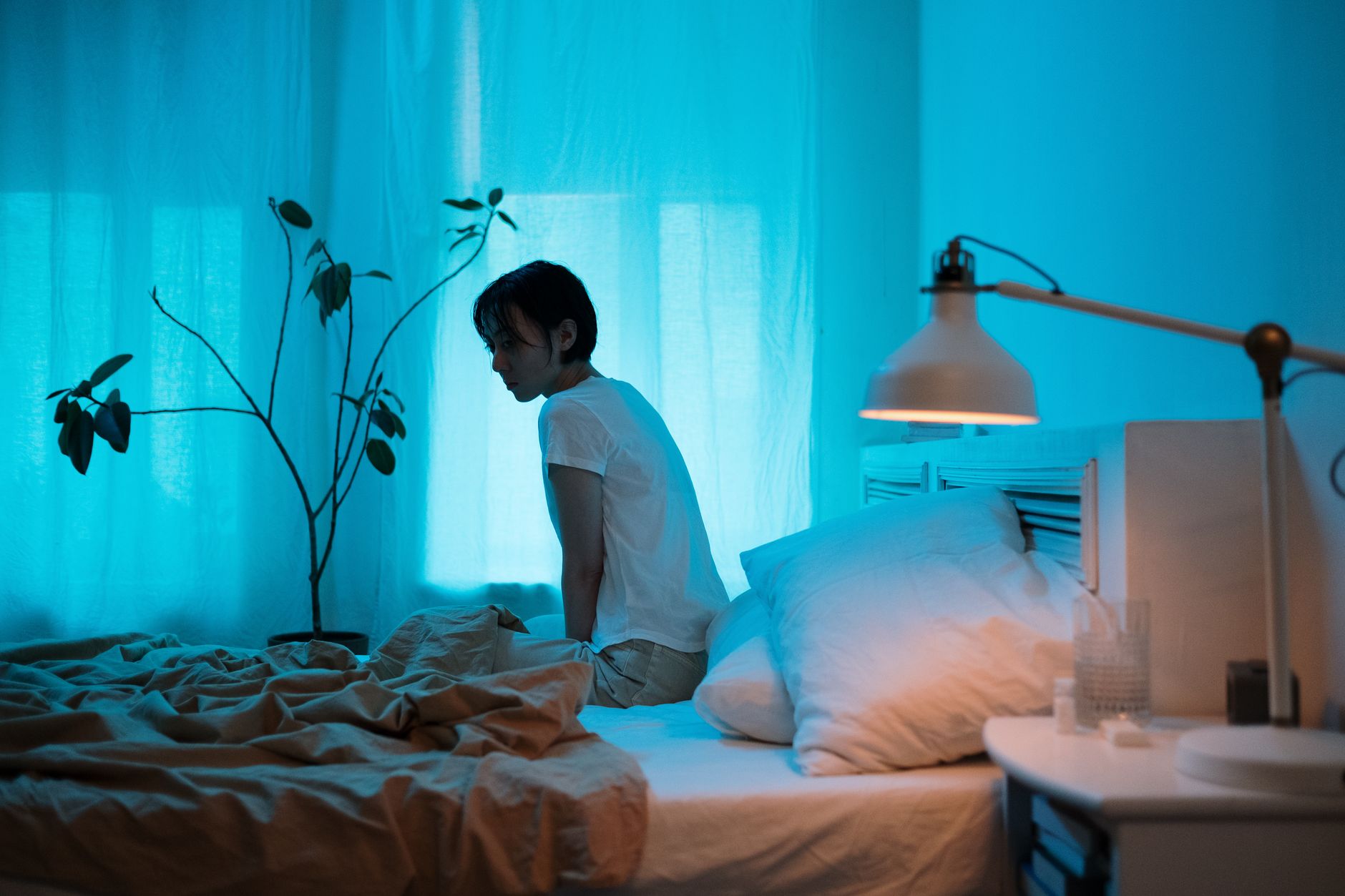
The reason it goes unaddressed
Because it doesn’t feel like a crisis. Acute stress gets attention because it demands it. Chronic low-grade stress is easy to rationalise as just how things are right now. People build routines around it instead of treating it.
What actually moves the needle
Not one-off stress relief. Not a weekend away that leaves Monday exactly the same. The interventions with the most consistent support are structural: consistent sleep timing, genuine physical rest (not just passive screen time), time without ambient notifications, and some form of activity that isn’t tied to performance or output - walking, recreational sport, anything where the point isn’t to optimise.
None of that is surprising. The difficulty is that chronic low-grade stress tends to erode exactly the behaviours that would reduce it - sleep gets shorter, movement becomes transactional, and rest feels unearned. Which is why recognising the pattern matters more than any specific fix. You can’t address something you’ve normalised away.