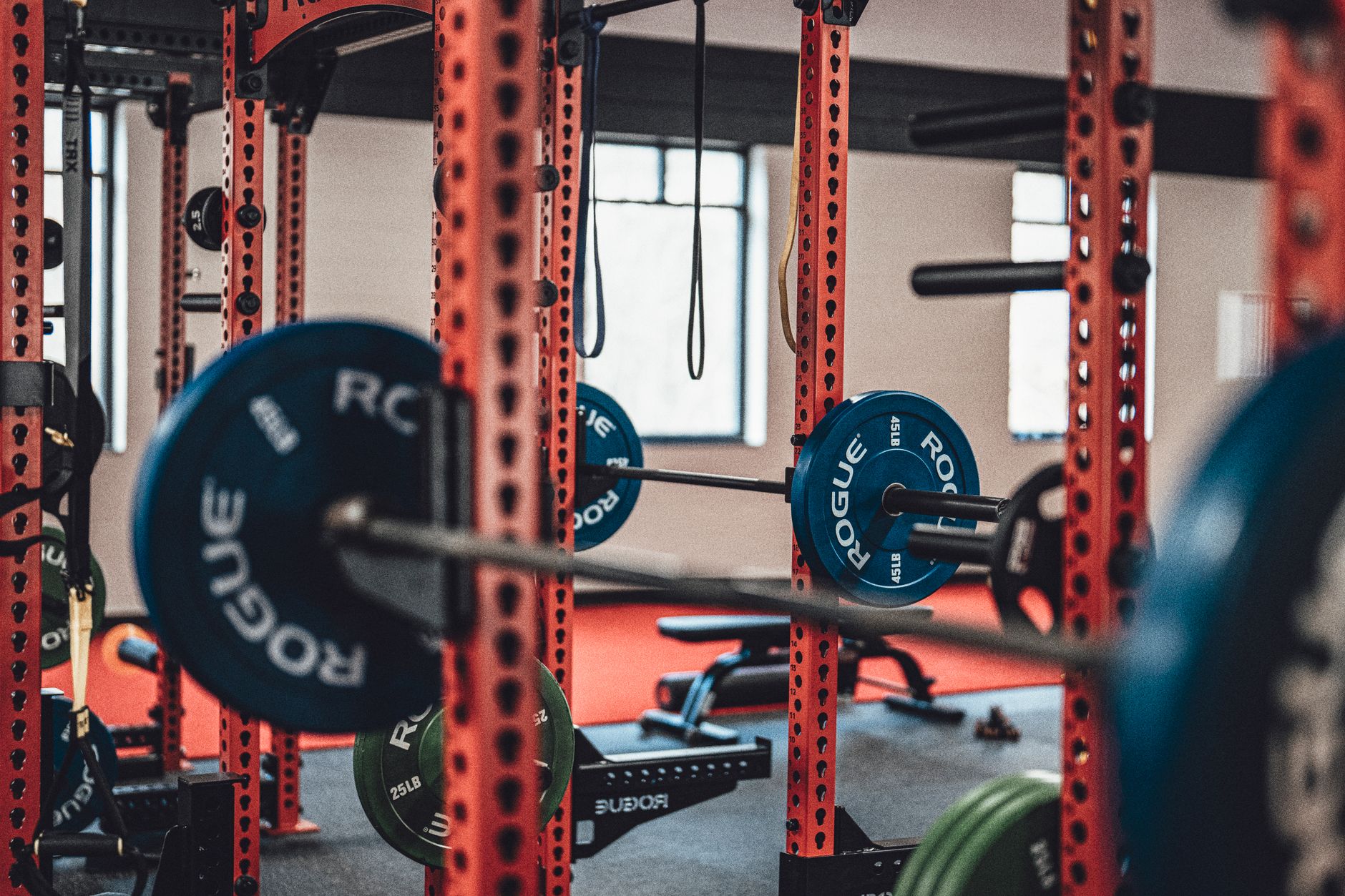
Most recreational lifters operate in a permanent intensification phase. Heavy weights, low reps, high perceived effort, every single week. It feels productive because it feels hard. But there’s a chunk of adaptation they’re completely bypassing, and it shows up later as stalled numbers and nagging joints.
Accumulation phases - blocks of training where volume is deliberately high and intensity (load relative to max) is deliberately moderate - aren’t just for competitive powerlifters or bodybuilders following periodised programs. They’re the mechanism by which your connective tissue, work capacity, and muscle get prepared to handle heavier loading without breaking down.
The physiological logic is straightforward: tendons and ligaments adapt more slowly than muscle tissue. Running heavy all year doesn’t give them the stimulus they actually need, which is repeated sub-maximal loading across higher rep ranges. It just taxes them. Accumulation phases - typically 4–6 weeks of higher total reps at 60–75% of your working max - address that directly.
What Skipping This Phase Actually Costs You
When you jump straight into heavy triples and singles without a preceding volume block, you’re borrowing against a base that may not exist. The strength you display in those sessions is real, but its ceiling is artificially low because your tissues haven’t been conditioned to absorb load efficiently.
More practically: you get hurt more. Or you plateau earlier. Or you feel beat up constantly and assume that’s just what training feels like past a certain age. It isn’t. It’s often the result of underprepared tissue meeting too much intensity too soon.
It Doesn’t Have to Be Complicated
An accumulation phase doesn’t require a spreadsheet. Pick your main lifts, drop the weight 15–20% from where you’ve been working, and add sets and reps. Four sets of eight instead of four sets of four. Three sets of ten instead of three sets of five. Run that for a month. The work feels easier than you’re used to, and that’s the point.
The discomfort of accumulation phases is psychological, not physical. Moderate weights feel like maintenance to people conditioned to chasing PRs. But the adaptation happening in the background - increased capillary density, connective tissue resilience, improved motor unit recruitment across longer sets - is what makes the next intensification phase actually land.
Strength isn’t just built by lifting heavy. It’s built by repeatedly preparing the body to lift heavy. That preparation has a name, and most people skip it entirely.